
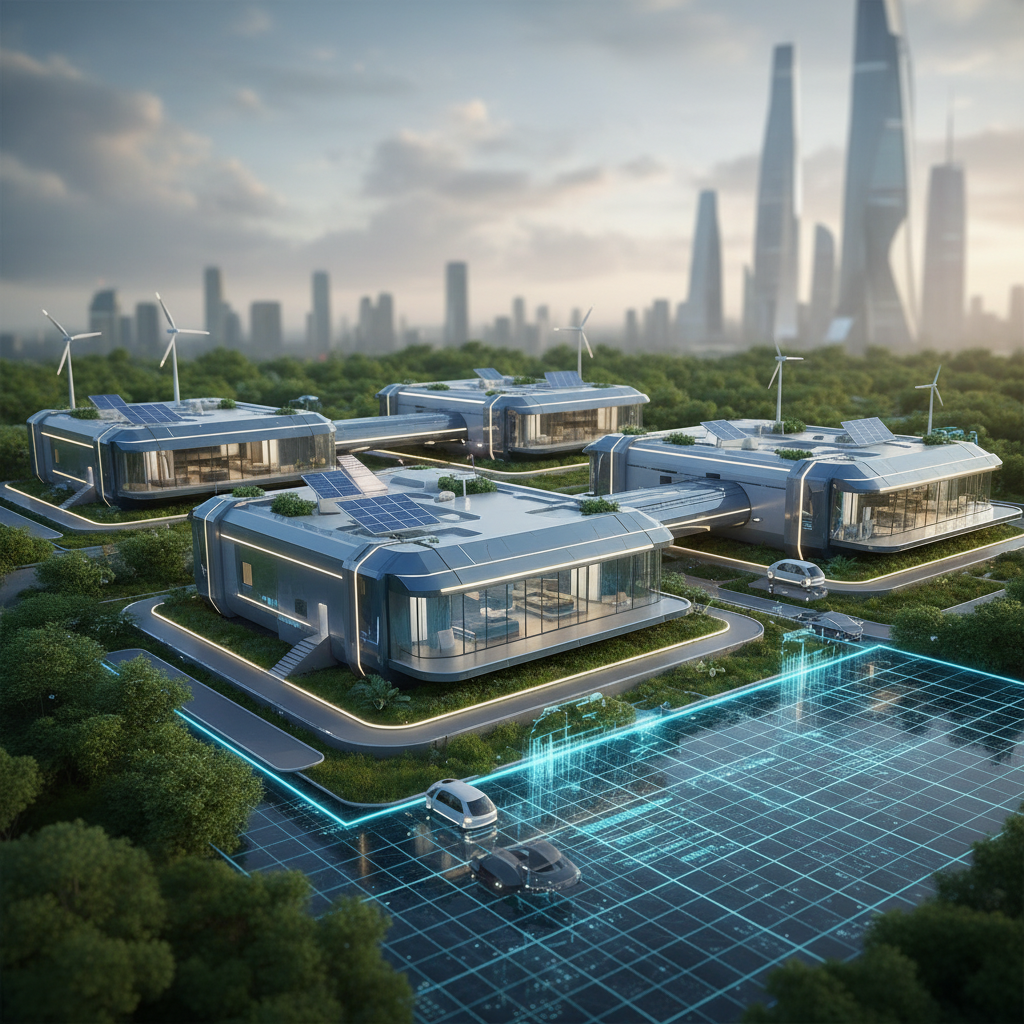
Smart Shelters: The Latest Innovations in High-Tech Residential Infrastructure
The concept of home is changing faster than ever before. We used to think of a house as just four walls and a roof, but today, our living spaces are becoming intelligent ecosystems. As technology advances, the infrastructure of our homes is evolving to be more efficient, sustainable, and connected. Whether it is a house that generates its own power or a structure that can heal its own cracks, high-tech residential infrastructure is no longer a dream of the distant future. When it comes to maintaining these modern marvels, working with experts like The Roof Technician ensures that your home stays protected while incorporating the latest building standards. In this article, we will explore the most exciting innovations that are turning traditional houses into smart shelters.
Technology is moving from our pockets and into the very materials used to build our homes. From smart glass that tints itself based on the sun’s position to insulation made from recycled aerospace materials, the physical makeup of our shelters is getting a massive upgrade. These innovations are not just about looking cool; they are designed to solve real-world problems like rising energy costs and environmental impact. By integrating sensors and advanced chemistry into construction, we are creating buildings that can actually respond to their environment in real-time.
The Rise of Self-Healing and Adaptive Building Materials
One of the most mind-blowing innovations in residential infrastructure is the development of self-healing materials. Imagine a concrete driveway or foundation that can fix its own cracks without human intervention. This is becoming a reality through the use of “bio-concrete,” which contains specialized bacteria. When water enters a crack, the bacteria activate and produce limestone, effectively sealing the gap. This technology significantly extends the lifespan of a home’s foundation and reduces the need for expensive repairs down the road.
Beyond concrete, we are seeing the emergence of phase-change materials (PCMs) in drywall and insulation. These materials can absorb heat during the day and release it at night, acting like a thermal battery for your home. This keeps indoor temperatures steady without relying solely on the air conditioner or heater. It is a passive way to manage energy that fits right into the walls of a smart shelter. As these materials become more affordable, they will likely become the standard for high-performance residential construction.
Adaptive materials also include smart glass windows. These windows can change their transparency at the touch of a button or automatically based on the intensity of the sunlight. By blocking out heat in the summer and letting it in during the winter, smart glass reduces the load on HVAC systems. This kind of infrastructure makes a home more comfortable while slashing monthly utility bills, proving that high-tech living is also high-efficiency living.
Integrated Energy Management and Smart Power Grids
The way we power our homes is undergoing a total transformation. High-tech residential infrastructure now focuses heavily on energy independence. Many modern homes are being built with integrated solar arrays that are much more subtle than the bulky panels of the past. These systems often connect to powerful home battery units that store excess energy for use at night or during power outages. This creates a resilient shelter that can function even when the main power grid fails.
Furthermore, smart electrical panels are replacing the old-fashioned breaker boxes we have used for decades. These new panels allow homeowners to track exactly how much energy every single appliance is using through a smartphone app. You can remotely turn off high-drain circuits or prioritize power to essential items like the refrigerator during an emergency. This level of control helps families reduce waste and understand their carbon footprint better than ever before.
In some forward-thinking neighborhoods, homes are being linked together into “micro-grids.” This allows neighbors to share excess solar power with one another, creating a community-based energy system. If your neighbor’s battery is low but yours is full, the smart infrastructure automatically balances the load. This decentralized approach to power is making residential areas more robust and less dependent on aging national infrastructure.
The High-Tech Roof: More Than Just Shingles
When people think of smart technology, they often think of gadgets inside the house, but some of the most important innovations are happening right on top of it. Modern roofing systems are now designed to be active components of a home’s climate control and energy strategy. From “cool roofs” that reflect UV rays to solar shingles that look just like traditional slate, the roof has become a high-tech shield. If you are interested in upgrading your home with these advanced systems, The Roof Technician is a leading provider in the Greater Toronto Area that understands how to bridge the gap between traditional craftsmanship and modern innovation.
Smart roofs are also beginning to incorporate advanced sensor networks. These sensors can detect moisture levels, temperature fluctuations, and even structural stress caused by heavy snow or wind. By catching a small leak before it becomes a major flood, these high-tech systems save homeowners thousands of dollars in potential water damage. It is a proactive approach to home maintenance that relies on data rather than just visual inspections.
Additionally, “green roofs” are gaining popularity in urban residential designs. These are roofs covered in living vegetation that provide incredible insulation and manage stormwater runoff. High-tech irrigation systems built into these roofs use weather data to determine exactly when the plants need water, ensuring the roof stays healthy with minimal effort. Whether it is through solar integration or biological insulation, the roof is truly the first line of defense in a smart shelter.
AI-Driven Home Automation and Predictive Maintenance
Artificial Intelligence (AI) is the brain behind the modern smart shelter. While we are used to asking voice assistants to play music, the next generation of AI is focused on infrastructure management. AI systems are now being integrated into plumbing and electrical systems to monitor for anomalies. For example, a smart water valve can detect a tiny change in pressure that indicates a pipe might burst and automatically shut off the main water line to prevent a catastrophe.
Predictive maintenance is another huge benefit of AI in residential infrastructure. Instead of waiting for the furnace to break on the coldest day of the year, smart sensors can analyze the vibration and sound of the motor to predict a failure weeks in advance. The system can then alert the homeowner to schedule a service call before the problem escalates. This shift from “reactive” to “proactive” maintenance is a hallmark of high-tech living.
Security has also evolved through AI. Modern smart shelters use computer vision to distinguish between a delivery person, a neighbor, and a stray animal. These systems can integrate with smart locks and lighting to create a comprehensive safety net. As these AI models become more localized, they can process data right inside the home rather than sending it to the cloud, which increases both speed and privacy for the residents.
Sustainable Modular and 3D-Printed Construction
The way we build the actual structure of a home is being disrupted by 3D printing and modular construction. 3D-printed homes are created by large robotic arms that extrude layers of specialized concrete. This process is incredibly fast, produces almost zero waste, and allows for complex architectural designs that would be impossible with traditional methods. These printed walls often have hollow cores that can be filled with high-performance insulation, making them incredibly energy-efficient.
Modular construction is another high-tech approach where parts of a home are built in a controlled factory environment and then shipped to the site. This allows for extreme precision and the integration of smart tech right into the wall panels before they even arrive at the property. Because these modules are built with industrial machines, they often have much tighter seals and better structural integrity than homes built entirely outdoors in the elements.
These new construction methods also prioritize sustainability. Many 3D-printing “inks” are now being made from recycled materials or low-carbon cement alternatives. By combining robotics with eco-friendly materials, the construction industry is finally catching up to the digital age. This means we can build smarter, stronger, and greener shelters in a fraction of the time it used to take.
Conclusion: Embracing the Future of Living
The innovations in high-tech residential infrastructure are fundamentally changing our relationship with the places we live. We are moving toward a world where our homes are not just passive structures, but active partners in our health, safety, and financial well-being. From self-healing foundations to AI-managed energy systems, the “Smart Shelter” is becoming the new standard for modern life. These advancements offer a glimpse into a future where housing is more sustainable, resilient, and attuned to the needs of the environment and the people inside.
As you look to upgrade your own home or plan for a new build, it is important to remember that the foundation of any great home is quality work and reliable expertise. Whether you are installing a high-tech solar roof or just ensuring your current structure is up to code, professionals like The Roof Technician are there to help you navigate these changes. Embracing these new technologies today will ensure that your home remains a safe, efficient, and valuable asset for many years to come.